
AI ETF Guide: What BOTZ and AIQ Filings Show
Global X dated the 2026 summary prospectus for its Robotics & Artificial Intelligence ETF (BOTZ) April 1, 2026. Most people who buy an AI ETF never open a filing like this one, which is a shame, because page one holds the useful part. The fund charges 0.68% a year, and over the five years ended December 31, 2025, it returned about 2% a year before taxes (Global X BOTZ summary prospectus, 2026).
The same filing shows the MSCI ACWI, a broad index of global stocks, returning about 11% a year over those same five years. A fund built around the hottest theme of the decade trailed a plain world index by roughly nine points a year.
The fund name says little about what sits inside. Below, we walk through two Global X filings, BOTZ and its sibling AIQ (the Artificial Intelligence & Technology ETF), and pull out the holding rules, the fees and the returns for each.
What an AI fund actually owns
Each fund copies an index with written entry rules. Those rules decide whether a company counts as "AI" at all.
BOTZ tracks the Indxx Global Robotics & Artificial Intelligence Thematic Index. To get in, a company has to earn at least 50% of its revenue from robotics and AI sub-themes, or state that this is its main business. The index also lets in up to 10 "Diversified" companies that don't clear that bar. It draws from companies listed in developed markets and China (Global X BOTZ summary prospectus, 2026).
BOTZ says it puts 25% or more of its assets in one industry when its index is built that way. As of January 31, 2026, that industry was machinery (Global X BOTZ summary prospectus, 2026). An investor who bought it to own chatbot software also owns a big slice of industrial hardware.
AIQ follows a different index, the Indxx Artificial Intelligence & Big Data Index. Its filing describes the goal this way:
"designed to track the performance of companies involved in the development and utilization of artificial intelligence"
"Development and utilization" is a wider net than "makes robots." The test covers companies that use AI as well as companies that build it, so a firm does not have to make AI products to qualify.
BOTZ vs AIQ, side by side
Here are the two funds using only what their own 2026 filings report. Returns are average annual, before taxes, for periods ended December 31, 2025.
| Metric | BOTZ | AIQ |
|---|---|---|
| Index | Indxx Global Robotics & AI Thematic | Indxx AI & Big Data |
| Total annual expenses | 0.68% | 0.68% |
| Turnover, latest fiscal period | 12.11% | 15.52% |
| Inception | September 12, 2016 | May 11, 2018 |
| 1-year return | 13.71% | 32.04% |
| 5-year return | 2.11% | 13.64% |
| Since inception | 10.54% | 17.76% |
Sources: Global X BOTZ and AIQ summary prospectuses, 2026. The since-inception figures start on different dates, so they aren't a fair head-to-head. The 1-year and 5-year rows are.
Same theme, very different results
Look at 2025 first. AIQ returned about 32%. BOTZ returned about 14%. The world index sat in between at about 22% (Global X BOTZ and AIQ summary prospectuses, 2026). One AI fund beat global stocks by ten points, and the other lagged them by about nine.
The five-year numbers tell the same story with more weight behind it. AIQ averaged about 14% a year against about 11% for the ACWI. BOTZ averaged about 2%.
Both funds charge the same fee and come from the same company. The filings show different index rules: BOTZ requires at least 50% of revenue from robotics and AI, and it held 25% or more in machinery as of January 31, 2026 (Global X BOTZ summary prospectus, 2026). Those rules likely explain much of the gap, though neither filing says so directly.
One honest caveat. Five years is a short window for a theme, and the order could flip. Past returns in a filing describe what happened, and they say nothing firm about the next five years.
What you pay to own the theme
Both funds list total annual operating expenses of 0.68% (Global X BOTZ and AIQ summary prospectuses, 2026). That fee comes out of the fund's assets every year, whether the theme is in favor or not.
Say an investor holds $10,000 in a fund with a 0.68% expense ratio for a full year. The fund takes about $68 in expenses over that year. Hold it ten years at the same balance and that's about $680. This is a made-up balance to show the math, and real costs shift as the balance moves.
Turnover is the second cost, and it's easy to miss because it isn't in the fee. BOTZ reported turnover of 12.11% for its latest fiscal period, and AIQ reported 15.52% (Global X BOTZ and AIQ summary prospectuses, 2026). Put simply, AIQ swapped out roughly a sixth of its portfolio and BOTZ roughly an eighth. Each trade has a cost the fund pays, and in a taxable account, trading can also create gains that get passed to you.
Neither number is high for a fund that has to keep re-checking which companies still earn half their sales from a theme. It's still worth knowing the fund is trading on your behalf.
The risks the filings spell out
Prospectuses list risks for legal reasons, and most readers skip them. A few in these two are specific to the theme and worth a closer look.
- Many companies held under one index's written rules
- Written rules for who gets in
- A yearly fee you can see in advance (0.68% for both)
- AI tech could face more regulatory scrutiny (AIQ filing)
- 25% or more in one industry, machinery as of Jan 31, 2026 (BOTZ filing)
- An index that includes China as well as developed markets (BOTZ filing)
The rule risk matters more than it sounds. If lawmakers tighten how AI can be built or sold, the companies in AIQ's index all feel it at once. A broad fund spreads that kind of hit across many industries.
If you want to see how the theme breaks into smaller pieces, the MarketPlays tag index groups stocks by sector and theme, and the Explore page shows which names are moving on a given day.
Key takeaways
- BOTZ and AIQ both charge 0.68% a year, and their five-year returns to December 31, 2025 were about 2% and about 14% a year (2026 Global X filings).
- The index rules likely explain much of the gap. BOTZ requires 50% of revenue from robotics and AI and was concentrated in machinery as of January 31, 2026.
- AIQ's wider "development and utilization" net lets in companies that use AI heavily as well as those that build it.
- Check turnover as well as the fee: 12.11% for BOTZ and 15.52% for AIQ in the latest fiscal period.
- Compare any AI fund against a broad benchmark over the same period. BOTZ's own filing shows the MSCI ACWI at about 11% a year over five years.
FAQ
What makes a company eligible for an AI fund?
It depends on the index. For BOTZ, a company must earn at least 50% of its revenue from robotics and AI sub-themes or state that this is its main business, with up to 10 "Diversified" exceptions (Global X BOTZ summary prospectus, 2026). AIQ's index uses a wider test built around companies involved in developing and using AI.
How much do AI funds like BOTZ and AIQ cost?
Both list total annual operating expenses of 0.68% in their 2026 summary prospectuses. On a $10,000 balance held for a year, that works out to about $68 (illustrative).
Have AI funds beaten the broad market?
Some have and some haven't. Over the five years ended December 31, 2025, AIQ averaged about 14% a year and BOTZ about 2%, while the MSCI ACWI shown in the BOTZ filing averaged about 11%. Past results don't predict future ones.
If AI is something you believe in, see if it is one of the 350+ themes on MarketPlays. Each theme blends a broad ETF mix with what real investors in that theme hold. You pick the themes, connect the broker you already use, set the amount and submit the order yourself. A free account covers 2 themes and 1 trade.
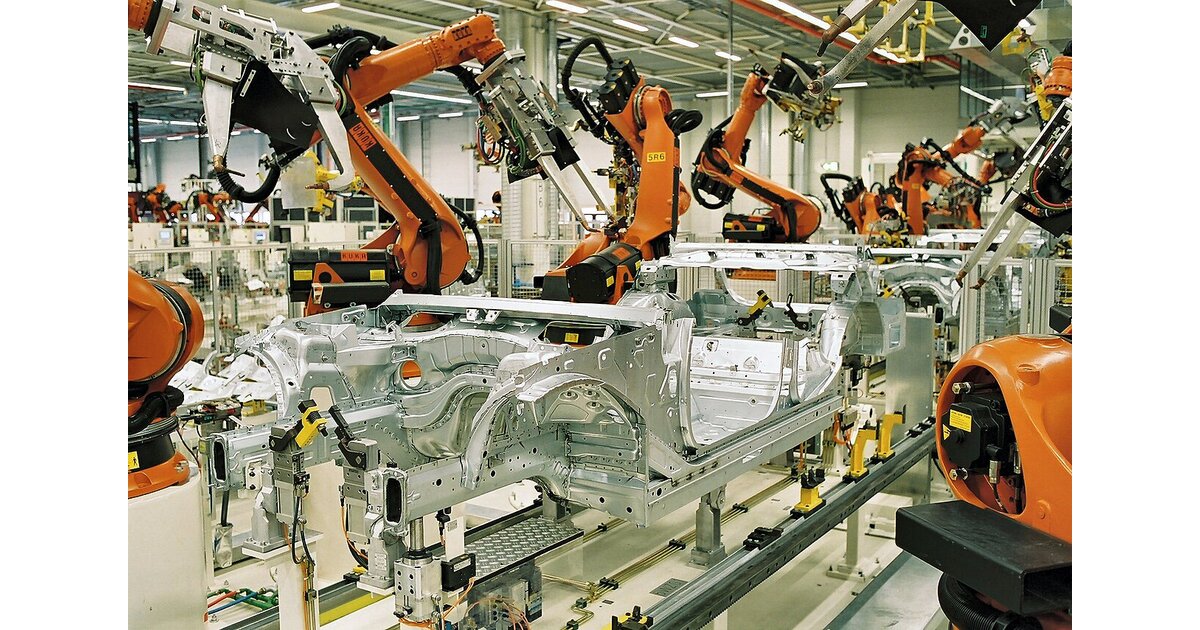
Hero photo by BMW Werk Leipzig via Wikimedia Commons, licensed CC BY-SA 2.0 DE, resized.

This article is for educational and informational purposes only. It is not investment, tax, legal, or financial advice, and is not a recommendation to buy, sell, or hold any security. MarketPlays is not a registered investment adviser or broker-dealer. All investing carries risk, including the possible loss of principal; past performance does not guarantee future results. Figures, prices, and filings cited were accurate as of the publication date and may have changed since. You are solely responsible for your investment decisions. Consider consulting a licensed financial professional before acting on anything you read here.
Last updated: 2026-11-22.
Looking at BOTZ? See what a whole theme holds
A MarketPlays theme is a basket of stocks. See every stock inside, then buy the whole basket in the broker you already have. You set the amount and submit the order.
Start Building Your Portfolio Browse portfolios without signing up →
Leave a comment