
Oil ETF: Three Kinds of Funds and What Each One Holds
On November 11, 2026, a barrel of West Texas Intermediate crude at Cushing, Oklahoma cost $89.62, based on the FRED daily spot price series. You can't buy that barrel in a brokerage account. What you can buy is an oil ETF, and that one label covers at least three kinds of funds that hold very different things.
One kind holds crude oil futures. One holds the stocks of energy companies. One uses leverage to multiply a single day's move, up or down. They can all show up in the same search result, and over a year they can post very different returns from each other and from the price of crude.
Three kinds of oil funds
The fastest way to sort an oil fund is to ask what sits inside it. The fund's own filings list it: the summary prospectus describes what the fund invests in, and a futures fund such as USO reports its positions in each Form 10-Q.
| Type | What it holds | Example | Main thing to know |
|---|---|---|---|
| Futures-based | Crude oil futures contracts | United States Oil Fund (USO) | Contracts expire and must be replaced, which can add to or take from returns |
| Energy stocks | Shares of oil, gas and energy services companies | Energy Select Sector SPDR Fund (XLE) | Returns depend on company results as well as the oil price |
| Leveraged and inverse | Derivatives built to hit a multiple of one day's move | 2x and 3x daily funds | The target is daily, so longer holding periods can drift far from it |
None of the three hands you the spot price of crude. Each one gets you something that moves with oil to a degree, with its own costs and quirks on top.
Futures funds: close to crude, with a catch
The United States Oil Fund, ticker USO, is the best-known futures-based oil fund. Its Form 10-Q for the quarter ended June 30, 2025 describes its goal in terms of the "daily changes in percentage terms" of its net asset value per share.
The word "daily" matters. The fund is built to follow a futures benchmark one day at a time. It makes no promise about matching the spot price of oil over a year.
A quick note on those figures. USO's share value and the price of a barrel are two separate numbers, taken on two different dates. A share of the fund is a slice of a pool of futures contracts. It was never meant to equal one barrel.
Here is the catch. A futures contract has an end date. A fund that wants to stay invested has to sell the contract that is about to expire and buy a later one. This is called rolling.
When later contracts cost more than near ones, the market is in contango. When they cost less, it is in backwardation. USO's 10-Q says these forces "have impacted, and may in the future impact, the total return" on its shares.
An illustrative example, with no real prices attached: say a fund holds the December contract. A few weeks before it expires, the fund sells December and buys January. If January costs more, the same dollars buy fewer barrels' worth of contracts. Repeat that each month and the fund can lose ground even when the spot price ends the year where it began. In backwardation the effect runs the other way and helps the fund.
The shape of the futures curve changes over time, and USO reports its results each quarter on SEC EDGAR.
One more detail from the same filing: USO reports "partners' capital" of about $1.13 billion as of June 30, 2025. That wording reflects a partnership structure, which can mean different tax paperwork than a plain stock fund. The fund's prospectus spells out the details.
Energy stock funds: companies that sell oil
The Energy Select Sector SPDR Fund, ticker XLE, holds no futures at all. Its summary prospectus dated January 31, 2024 says its index includes companies from two industry groups: "oil, gas and consumable fuels; and energy equipment and services."
So a share of XLE is a share of businesses. Those businesses earn more when oil is expensive, most of the time. They also have drilling costs, debt, dividends and managers who make good and bad calls. And their shares trade on the stock market, so a broad sell-off can pull them down on a day when crude rises.
Cost is one clear point in this type's favor. The same prospectus lists total annual fund operating expenses of 0.09%. That figure is as of January 31, 2024, and a later prospectus may show a different number.
There is no roll to manage, because stocks don't expire. The trade-off is a looser link to the price of a barrel. Investors considering an energy stock fund often check which companies carry the most weight, since a sector fund can lean hard on a few large names. The MarketPlays tag index groups stocks by sector and theme, which helps when sorting producers from service companies.
Leveraged and inverse funds: built for one day
Search for oil funds and you will soon run into 2x and 3x products, plus inverse funds that aim to rise when oil falls. The SEC and FINRA published a joint investor alert on leveraged and inverse ETFs that covers how these work.
"Leveraged and inverse ETFs typically are designed to achieve their stated performance objectives on a daily basis."
The fund resets every day. Over weeks or months, the alert says, results can differ a great deal from the daily target. It gives two real cases from December 1, 2008 to April 30, 2009. Neither index was an oil index, but the math works the same way for any daily-reset fund.
In the first, an index gained 2 percent over the period. A 2x leveraged fund tied to it fell 6 percent, and the 2x inverse fund fell 25 percent.
In the second, a different index gained around 8 percent. The 3x leveraged fund fell 53 percent, and the 3x inverse fund fell 90 percent.
That happens because daily gains and losses compound. A choppy market that ends flat can still wear down a fund that resets each day. Oil is a choppy market more often than most, so the alert's warning applies with some force here.
What to check before picking one
Each type suits a different purpose, and the fund documents tell you which type you are looking at. Four checks cover most of it.
- Read the holdings. Futures contracts, company shares or swaps. The summary prospectus states this in its first pages.
- Find the word "daily." If the stated goal is a daily one, as in USO's 10-Q and in the SEC and FINRA alert, a long holding period can produce a result the name doesn't suggest.
- Check the cost and its date. XLE's 0.09% comes from a prospectus dated January 31, 2024. Fees change, so use the newest filing.
- Compare against the right yardstick. FRED publishes the WTI spot price every business day. Lining a fund's return up against that series shows how closely it has followed crude.
You can see recent moves in energy names on the MarketPlays explore page, and the filings linked above are free to read on SEC EDGAR.
Key takeaways
- Oil funds come in three main types: futures-based, energy stock and leveraged or inverse. They hold different things and can post very different returns.
- USO's 10-Q for June 30, 2025 says contango and backwardation have affected the total return on its shares and may do so again.
- XLE holds energy companies. Its summary prospectus dated January 31, 2024 lists annual operating expenses of 0.09%.
- In an SEC and FINRA example from late 2008 to April 2009, an index rose around 8 percent while a 3x leveraged fund tied to it fell 53 percent.
- WTI crude was $89.62 a barrel on November 11, 2026 (FRED). No fund share is priced to match that figure.
FAQ
Does an oil fund track the price of a barrel of crude?
Only loosely. A futures-based fund such as USO states its goal in daily terms, and its 10-Q says contango and backwardation have affected total return. An energy stock fund such as XLE follows company shares. Comparing a fund's return with the FRED WTI spot series shows the gap for any period.
What is contango?
Contango is when futures contracts with later dates cost more than contracts that expire sooner. A fund that rolls from the near contract to a later one pays up each time, which can reduce its return. Backwardation is the reverse. USO's Form 10-Q for June 30, 2025 names both as forces that have affected its shares.
Why can a 3x oil fund lose money when oil goes up?
Leveraged funds reset daily, so gains and losses compound from a new base each day. The SEC and FINRA alert cites a period from December 1, 2008 to April 30, 2009 in which an index gained around 8 percent and a 3x leveraged fund tied to it fell 53 percent. That example was not an oil index, but daily-reset oil funds work the same way.
If oil is something you believe in, see if it is one of the 350+ themes on MarketPlays. Each theme blends a broad ETF mix with what real investors in that theme hold. You pick the themes, connect the broker you already use, set the amount and submit the order yourself. A free account covers 2 themes and 1 trade.
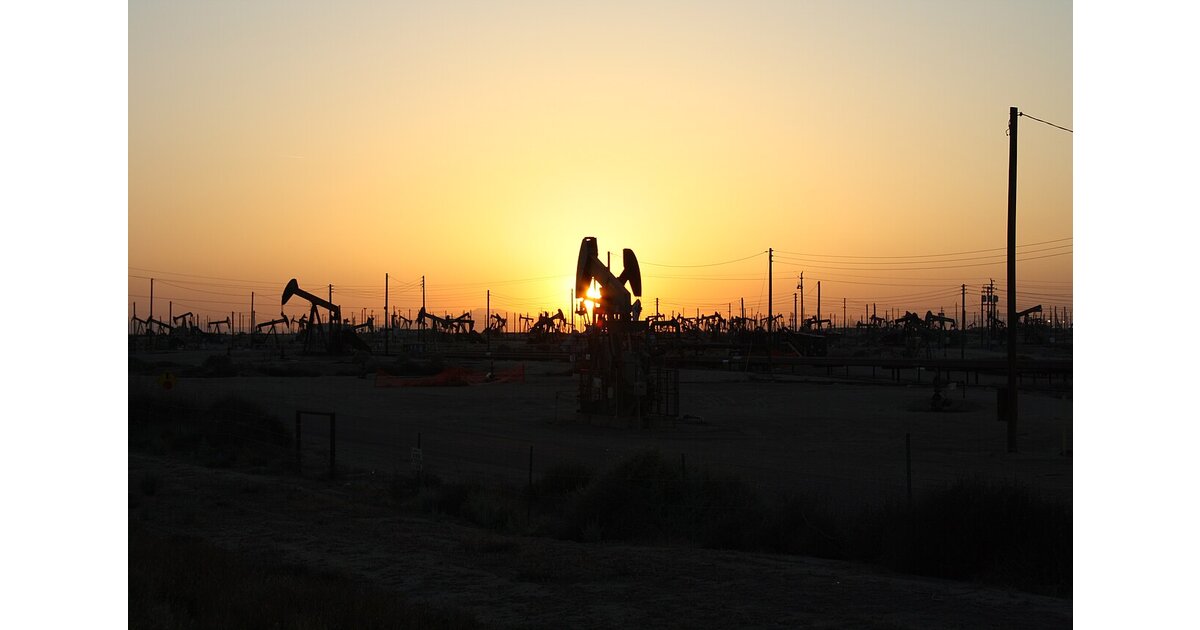
Hero photo by Arne Hückelheim via Wikimedia Commons, licensed CC BY-SA 3.0.

This article is for educational and informational purposes only. It is not investment, tax, legal, or financial advice, and is not a recommendation to buy, sell, or hold any security. MarketPlays is not a registered investment adviser or broker-dealer. All investing carries risk, including the possible loss of principal; past performance does not guarantee future results. Figures, prices, and filings cited were accurate as of the publication date and may have changed since. You are solely responsible for your investment decisions. consider consulting a licensed financial professional before acting on anything you read here.
Last updated: 2026-11-13.
Turn this theme into an actual portfolio
MarketPlays builds diversified theme portfolios from a broad ETF base plus the live holdings of investors in that theme. Pick your themes, set your blend, and trade through your own broker.
Start Building Your Portfolio Browse portfolios without signing up →
Leave a comment