
Nuclear Energy Stocks: Three Businesses Sharing One Label
On October 30, 2026, Cameco (CCJ) said its share of uranium production for the third quarter was 3.5 million pounds. In the same three months it bought another 1.8 million pounds (Cameco Q3 2026 results). A uranium miner that also shops for uranium is a useful place to start, because nuclear energy stocks are less alike than the shared label suggests.
The group holds at least three kinds of company. Some sell fuel. Some own plants that are running or being brought back. Some are still working on reactors they have yet to build at scale.
Their filings look very different from each other. Below is one company of each kind, using only what each has put in writing.
Three businesses under one label
Most lists of nuclear stocks rank the names by recent price moves. That hides the more useful question: how does each company get paid, and when?
A fuel seller gets paid per pound delivered. A plant owner gets paid for power, often under long contracts. A developer mostly spends cash today in the hope of selling power or reactors later.
| Business | Example | What its latest numbers show | Source |
|---|---|---|---|
| Fuel | Cameco (CCJ) | 3.5 million pounds of uranium produced in Q3 2026 (its share) | Q3 2026 results, October 30, 2026 |
| Plants | Constellation (CEG) | 20-year power deal with Microsoft tied to an 837 megawatt plant | Company release, September 20, 2024 |
| Developers | Oklo (OKLO) | $123.3 million net loss for the nine months ended September 30, 2026 | Q3 2026 Form 10-Q |
You can pull up each one on its MarketPlays symbol page: Cameco, Constellation and Oklo.
The fuel: what Cameco's quarter shows
Cameco is the easiest of the three to measure, because it reports pounds. Pounds mined, pounds bought, pounds it expects to mine for the year.
The guidance line is the one to read twice. Cameco now expects its share of 2026 production to land between 19.5 million and 20.5 million pounds. The earlier range was 19.5 million to 21.5 million pounds (Cameco Q3 2026 results). The bottom of the range held and the top came down by a million pounds.
That is a small change, and it tells you something about mining. Output is set by ore, equipment and crews, and those don't speed up because demand is strong. A fuel company's sales are capped by what it can dig up or buy.
Cameco also owns part of Westinghouse, which works on reactors. That piece ran in the red for the quarter. Cameco's share of the Westinghouse net loss was $24 million, reported in Canadian dollars (Cameco Q3 2026 results).
So one ticker holds two businesses. An investor who buys Cameco for uranium also gets a slice of a reactor company, with its own profits and losses each quarter.
The plants: Constellation and the Crane restart
Plant owners sell power. The clearest example of how that gets priced came on September 20, 2024, when Constellation (CEG) said it had signed a 20-year power purchase agreement with Microsoft (Constellation release, September 2024).
The deal backs the restart of Three Mile Island Unit 1, renamed the Crane Clean Energy Center. Before the plant was retired in 2019 it had a generating capacity of 837 megawatts, based on the same release.
Two things stand out for anyone reading it as an investor. The first is the length. A 20-year contract with one large buyer gives a plant owner a long view of its sales from that site, which is rare in the power business.
The second is the wait. The contract was signed in 2024, and the release said the plant was expected to be online in 2028. Money goes in for years before the first power is sold.
The 2028 online date is what Constellation stated in September 2024. Schedules for large plant work can move in either direction. Before leaning on that year, read Constellation's most recent quarterly report for the current target.
Constellation runs other nuclear plants too, so Crane is one project inside a much larger company. Its annual report on Form 10-K lists the full fleet and how much power it made, which is the place to size Crane against the rest.
The developers: Oklo's 10-Q
Oklo (OKLO) sits at the other end from Cameco. It is building toward a reactor business, and its filings are mostly about cost.
For the nine months ended September 30, 2026, Oklo reported a net loss of $123.3 million and a loss from operations of $195.2 million. Net cash used in operating activities was $110.9 million (Oklo Q3 2026 Form 10-Q).
"The Company continues to incur significant operating losses."
Those three numbers answer different questions. Loss from operations is what the business itself cost to run. Net loss adds in items outside operations, which is why it can be smaller. Cash used in operations is the money that left the bank account.
For a company at this stage, the cash figure is the one investors often track most closely. Put it next to the cash and investments on the balance sheet in the same filing and you get a rough sense of how long the company can keep spending at that pace before it needs to raise more.
These figures cover nine months of cost, with $110.9 million of operating cash used over the period. For timing on Oklo's first reactor, read the management discussion section of the same 10-Q, which this post doesn't quote.
How the three behave together
Here is an illustrative example, with no real portfolio behind it. Say an investor splits a sum equally across Cameco, Constellation and Oklo and calls it a nuclear position.
The three holdings answer to different news. Cameco's stake moves on items like the October guidance change, which took the top of its 2026 production range from 21.5 million pounds to 20.5 million (Cameco Q3 2026 results). The Constellation stake is tied in part to whether Crane still comes online in 2028, the year given in the September 2024 release. For Oklo, investors often watch cash used in operations, which was $110.9 million over the nine months ended September 30, 2026 (Q3 2026 Form 10-Q). On some days all three trade as one theme, and on others they split apart.
That is why the filing to read differs by company:
- Cameco: the quarterly results release, for production, purchases and the yearly guidance range.
- Constellation: the Form 10-K and quarterly reports, for fleet output and updates on Crane.
- Oklo: the Form 10-Q, for operating loss, cash used and cash on hand.
To see which other tickers get grouped with these, start at the MarketPlays tag index or the trending names on Explore.
Key takeaways
- Nuclear stocks fall into at least three groups: fuel sellers, plant owners and reactor developers. Each gets paid in a different way and on a different clock.
- Cameco produced 3.5 million pounds of uranium (its share) in Q3 2026 and trimmed the top of its 2026 guidance to 20.5 million pounds from 21.5 million (Cameco Q3 2026 results).
- Constellation's 20-year agreement with Microsoft supports an 837 megawatt plant that, as of the September 2024 release, was expected online in 2028.
- Oklo used $110.9 million of cash in operations over the nine months ended September 30, 2026, and says it continues to incur significant operating losses (Q3 2026 Form 10-Q).
- All figures here come from the companies' own releases and filings, and newer ones may have replaced them.
FAQ
Are uranium miners and nuclear plant owners the same kind of investment?
They are different businesses. A miner such as Cameco reports pounds produced and sold. A plant owner such as Constellation sells power, sometimes under long contracts like its 20-year agreement with Microsoft. Their results can move for unrelated reasons.
Is Oklo profitable?
Based on its Form 10-Q for the quarter ended September 30, 2026, Oklo had a net loss of $123.3 million for the first nine months of 2026. The filing states that the company continues to incur significant operating losses.
When is the Crane Clean Energy Center expected to restart?
Constellation's release of September 20, 2024 said the plant was expected to be online in 2028. That date is as of the release and may have changed, so check the company's latest quarterly report.
Why does Cameco buy uranium if it mines it?
Cameco's Q3 2026 release lists 1.8 million pounds of purchases next to 3.5 million pounds of its own production. The pounds a company delivers to customers can come from both sources, so investors often read the two lines together.
If nuclear energy is something you believe in, see if it is one of the 350+ themes on MarketPlays. Each theme blends a broad ETF mix with what real investors in that theme hold. You pick the themes, connect the broker you already use, set the amount and submit the order yourself. A free account covers 2 themes and 1 trade.
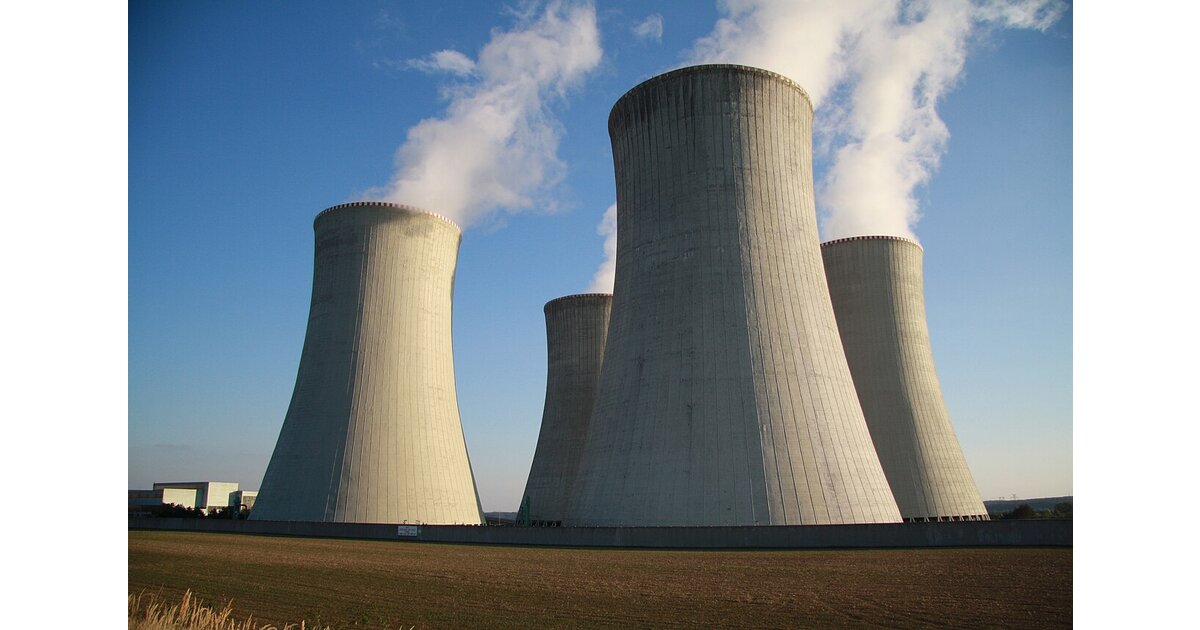
Hero photo by Jiří Sedláček via Wikimedia Commons, licensed CC BY-SA 4.0.

This article is for educational and informational purposes only. It is not investment, tax, legal, or financial advice, and is not a recommendation to buy, sell, or hold any security. MarketPlays is not a registered investment adviser or broker-dealer. All investing carries risk, including the possible loss of principal; past performance does not guarantee future results. Figures, prices, and filings cited were accurate as of the publication date and may have changed since. You are solely responsible for your investment decisions. consider consulting a licensed financial professional before acting on anything you read here.
Last updated: 2026-11-12.
Turn this theme into an actual portfolio
MarketPlays builds diversified theme portfolios from a broad ETF base plus the live holdings of investors in that theme. Pick your themes, set your blend, and trade through your own broker.
Start Building Your Portfolio Browse portfolios without signing up →
Leave a comment