

SONYSony Group Corporation
Company Overview
Name
52W High
52W Low
Market Cap
Dividend Yield
Price/earnings
P/E
Tags









Dividends
No dividend
Sentiment
Score
Bullish
72
Low
Neutral
High
0
50
100
Trade Volume
Score
Neutral
50
Low
Neutral
High
0
50
100
Income Statement
Total Revenue
Operating Revenue
Total Gross Profit
Total Operating Income
Net Income
EV to EBITDA
EV to Revenue
Price to Book value
Price to Earnings
Additional Data
Selling, General & Admin Expense
Other Operating Expenses / (Income)
Total Operating Expenses
Interest & Investment Income
Total Other Income / (Expense), net
Total Pre-Tax Income
Earnings History
Estimated EPS
Reported EPS
N/ACompany Overview
Name
52W High
52W Low
Market Cap
Dividend Yield
Price/earnings
P/E
Tags
Dividends
No dividend
Sentiment
Score
Bullish
72
Low
Neutral
High
0
50
100
Trade Volume
Score
Neutral
50
Low
Neutral
High
0
50
100
Income Statement
Total Revenue
Operating Revenue
Total Gross Profit
Total Operating Income
Net Income
EV to EBITDA
EV to Revenue
Price to Book value
Price to Earnings
Additional Data
Selling, General & Admin Expense
Other Operating Expenses / (Income)
Total Operating Expenses
Interest & Investment Income
Total Other Income / (Expense), net
Total Pre-Tax Income
Earnings History
Estimated EPS
Reported EPS
N/AUpcoming Earnings
Company Info
CEO
Kenichiro Yoshida
Location
N/A, N/A
Exchange
NYSE
Website
https://sony.com
Summary
Sony Group Corporation designs, develops, produces, and sells electronic equipment, instruments, and devices for the consumer, professional, and industrial markets.
Company Info
CEO
Kenichiro Yoshida
Location
N/A, N/A
Exchange
NYSE
Website
https://sony.com
Summary
Sony Group Corporation designs, develops, produces, and sells electronic equipment, instruments, and devices for the consumer, professional, and industrial markets.


Community Research
Research from investors like you
Be the first to share your analysis on SONY
Help fellow investors make informed decisions by sharing your research on fundamentals, catalysts, and outlook.
Symbol's posts


GTA 6 confirmed for November and I feel like nobody is talking about the stock angle enough
GTA 6 confirmed for November and I feel like nobody is talking about the stock angle enough
already up 7% after hours which makes sense. biggest entertainment launch ever is no joke.
but honestly might be the more interesting play here?
like yes PS5 is the default console for GTA 6 but that's not even the main reason I'm looking at it. Sony was at $30 not too long ago, got hammered down to $20 over memory shortage concerns, and now it's quietly recovering with strong earnings.
and then there's the AI angle. Jensen Huang literally spent the whole Nvidia earnings call talking about physical AI robots, autonomous cars, all that. and the one chip that powers all of it is the CMOS image sensor. which Sony dominates.
so you've got GTA 6 upside AND a potential AI hardware play in one stock that's still trading at a discount?
am I reading this wrong or does actually make a lot of sense right now?
what would you guys buy...... or neither?
Sony and Microsoft will Benefit from GTA 6 more than TTWO
Sony and Microsoft will Benefit from GTA 6 more than TTWO

Market update: Hot CPI hits tech, GameStop tries to buy eBay, and Hims drops 12%
Market update: Hot CPI hits tech, GameStop tries to buy eBay, and Hims drops 12%

www.fool.com
| Stock Market Today (LIVE): Beazer Tells Dream Finders to Dream On; CPI Comes in Hot, Gas Surges, Treasury Yield Hits 1-Year High | The Motley Fool
SONY undervalued?
SONY undervalued?
still gets priced like it’s mostly PlayStation and TVs, but that’s not really the business anymore.
Gaming is moving from hardware to software and subscriptions, so margins are better and the cycle matters less than people think. On top of that, they own a massive amount of IP that just keeps earning over time. Their image sensor business is kind of underappreciated too. is basically a key supplier for smartphone cameras globally, so you’re getting semiconductor exposure without owning a pure chip stock.
Music and film are also steady cash generators. It’s not flashy, but it’s recurring revenue from content they own, which tends to hold up pretty well.
Recent guidance was basically steady growth plus buybacks. Nothing exciting on the surface, but it signals consistent earnings power and that management thinks the stock isn’t expensive.
Overall it still feels like the market is valuing them as a legacy consumer electronics company, when in reality it’s more like a mix of IP, semis, and recurring digital revenue. Thoughts?

Nasdaq drops into correction territory as oil tops $110
Nasdaq drops into correction territory as oil tops $110

www.fool.com
| Stock Market Today (LIVE): Sony Hikes PS5 Prices Again; Altria Benefits Due to Recession Resistance | The Motley Fool

Does $NFLX Need a Studio?
Does $NFLX Need a Studio?
I’m not saying it’s guaranteed, but it just feels like eventually needs to own a real studio. has Fox, has Warner, and that mostly leaves . If doesn’t lock something in long term, it kind of feels exposed relying on outside content and reality TV.
ClickHouse raises $400M Series D, acquires Langfuse and adds Postgres service
ClickHouse raises $400M Series D, acquires Langfuse and adds Postgres service
finance.yahoo.com
| ClickHouse Raises $400M Series D Led by Dragoneer to Accelerate Expansion Across Analytics and AI Infrastructure

Is Sony building the most diversified entertainment ecosystem
Is Sony building the most diversified entertainment ecosystem
Gaming, movies, music, sensors, has influence across multiple industries. Is a good multi sector stock to invest in?

How Many PS5s Do We Need To Buy?
How Many PS5s Do We Need To Buy?
Anyone tuning in for earnings this morning?
From a video game only perspective, I love the PlayStation brand and, imo, they’ve been winning the console wars for a long time. But, is quickly turning the tide of the war and I’m curious how/if that will effect the rest of their business model.

Sony ramps up quantum computer investments
Sony ramps up quantum computer investments
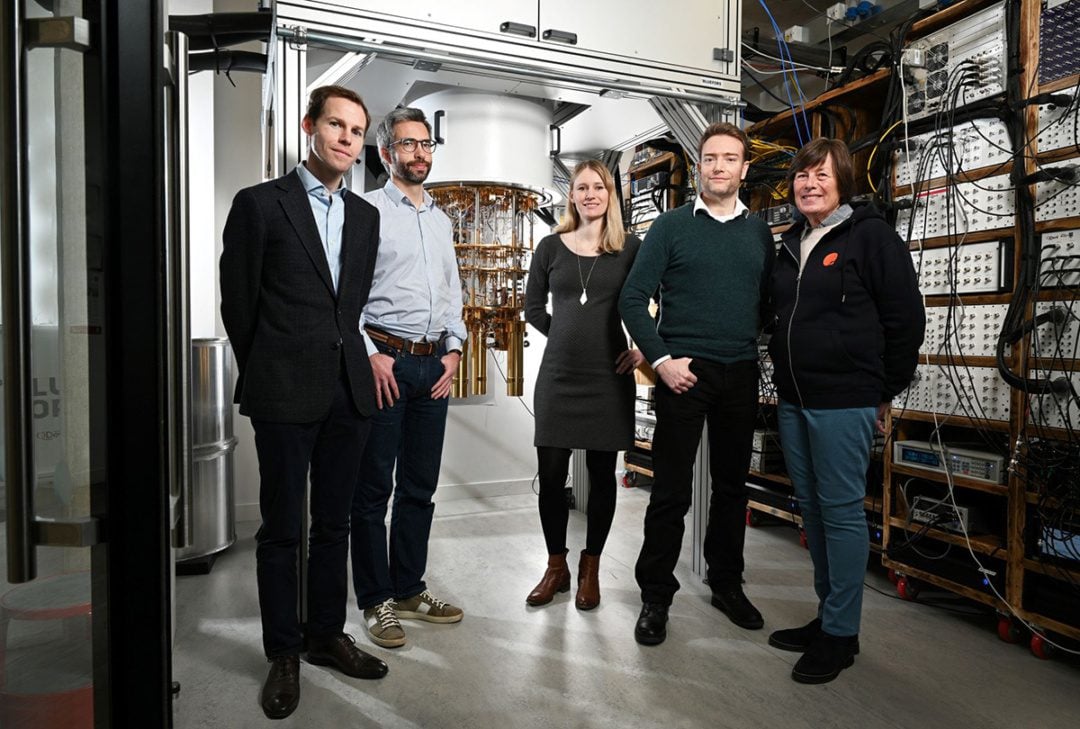
www.eenewseurope.com
| Sony invests in UK-based quantum computing scale-up