LMTLockheed Martin Corp.

Upcoming Earnings

We were not able to find an announced earnings date for this symbol yet. Check back again later

Company Info

CEO

James D. Taiclet

Location

Maryland, USA

Exchange

NYSE

Website

https://lockheedmartin.com

Summary

Lockheed Martin Corporation engages in the research, design, development, manufacture, integration, and sustainment of technology systems, products, and services.

Company Info

CEO

James D. Taiclet

Location

Maryland, USA

Exchange

NYSE

Website

https://lockheedmartin.com

Summary

Lockheed Martin Corporation engages in the research, design, development, manufacture, integration, and sustainment of technology systems, products, and services.

Company FAQ

avatar
@autobot 1 month ago | 2025 - q4
AI Generated
What does this company do? What do they sell? Who are their customers?
Lockheed Martin Corporation is one of the world's leading defense contractors, specializing in the research, design, development, manufacture, and integration of advanced technology systems. The company serves global defense, aerospace, and security markets and is headquartered in Bethesda, Maryland. Its main customers include the U.S. Department of Defense, allied governments, and other government agencies worldwide, accounting for the bulk of its revenue. Lockheed Martin operates through four major segments: Aeronautics, Missiles and Fire Control, Rotary and Mission Systems, and Space, delivering a wide range of products from fighter jets to missile defense systems and advanced satellites. The company is heavily involved in cutting-edge defense and aerospace projects, making it a critical supplier to both the U.S. military and international partners.
What are the company’s main products or services?
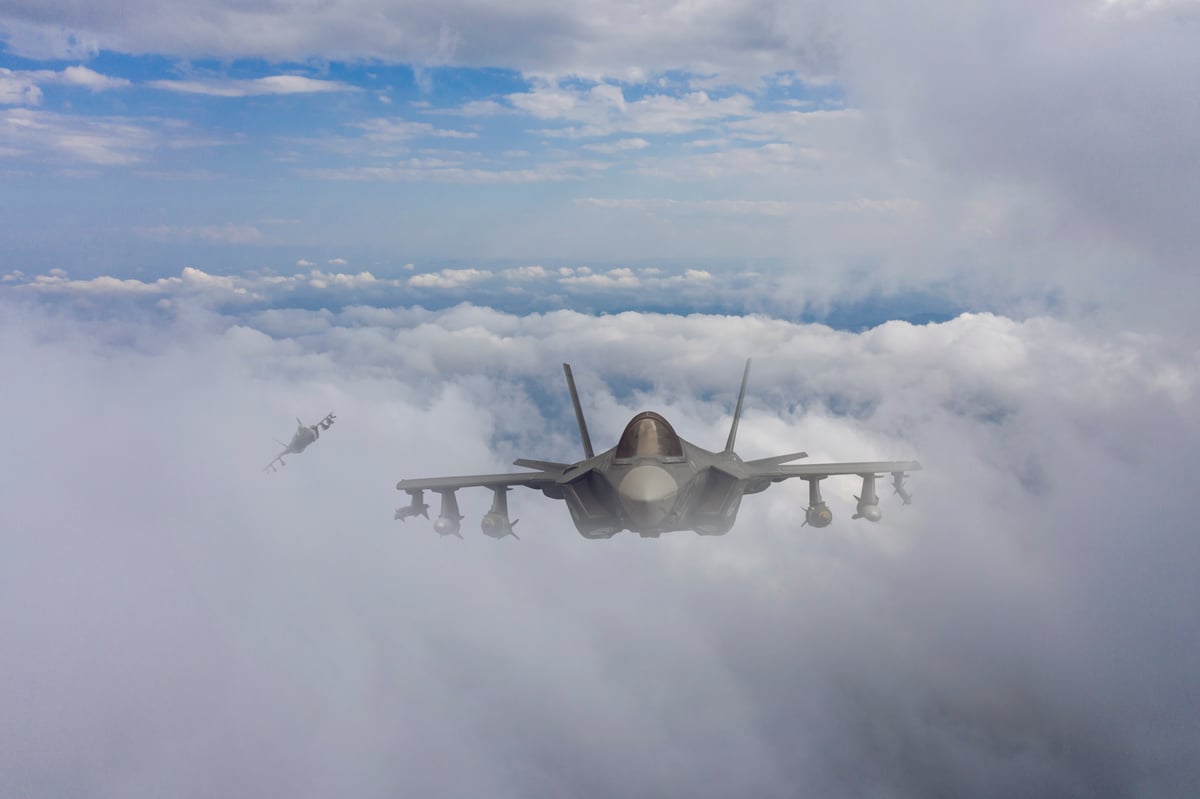
F-35 Lightning II fighter jet, an advanced stealth multirole combat aircraft widely used by the U.S. and allied militaries.,Missiles and missile defense systems, including the Patriot Advanced Capability (PAC) and Terminal High Altitude Area Defense (THAAD).,Space systems such as communications satellites, space transportation vehicles, and systems for deep space exploration.,Rotary and mission systems like military helicopters (e.g., Black Hawk), naval warfare systems, cyber solutions, and integrated intelligence/surveillance packages.,Integrated logistics, training, and sustainment services for its aerospace and defense products.
Who are the company’s main competitors?
Boeing,Northrop Grumman,RTX (formerly Raytheon Technologies),L3Harris Technologies,Textron,AAR Corp,Hexcel
What drives the company’s stock price?
Lockheed Martin’s stock price is primarily influenced by its quarterly earnings reports, contract wins (especially large government defense or aerospace projects), and changes in guidance for revenue and profits. Movement in the broader defense budget, especially from the U.S. government and allied nations, is a significant driver along with global geopolitical tensions that can boost demand for defense products. Share buyback programs, dividend announcements, and backlog figures also move the stock, while setbacks such as contract delays, program losses, or earnings shortfalls can spur major volatility. Broader macroeconomic indicators like interest rates, inflation, and shifts in government spending priorities influence long-term valuations as well. Additionally, investor sentiment around technology and defense stocks compared to growth sectors like AI can cause relative movements in LMT’s share price.
What were the major events that happened this quarter?
During the most recent quarter, Lockheed Martin delivered adjusted EPS of $7.11, beating Wall Street estimates and showing growth year-over-year, while sales grew 8.6% to $18.12 billion across all segments. The company increased its revenue and earnings guidance for the year due to strong performance and a growing order backlog, which reached over $158 billion. Significant contract wins included a $214.4 million contract with the U.S. Army to upgrade the MLRS to the M270A2. Lockheed also kept up with share buybacks and declared a quarterly dividend of $3.30 per share, which, along with financial strength, contributed to a 7% rise in share price. However, the company faced some headline program losses and increased debt, and competitors also posted strong performance.
What do you think will happen next quarter?
Looking ahead to the next quarter, Lockheed Martin is expected to benefit from its record-high backlog, steady government defense spending, and continued demand for high-tech military products such as the F-35 fighter jets and missile defense systems. Revenue is forecast to stay robust, particularly in Aeronautics and Missiles, but the company will need to manage ongoing contract negotiations and mitigate the impact of any program delays or losses. Analysts anticipate program execution and margin trends will be closely watched, especially with ongoing Artemis mission delays affecting space revenues. Potential new international contracts and continued global geopolitical instability may drive modest upside, but earnings growth is likely to remain in the low single digits until margins improve. Investor focus will be on profitability restoration and progress in high-growth areas like space and advanced defense systems.
What are the company’s strengths?
Lockheed Martin’s major strengths include its dominant position in the defense and aerospace industry, unmatched scale, and deep relationships with key government clients worldwide. The company boasts a diverse portfolio spanning air, land, sea, and space-based systems, solid technological expertise, and ongoing leadership in innovation, particularly with its flagship F-35 program and missile defense platforms. Its immense order backlog provides multi-year visibility and stability, while regular dividends and share buybacks make it attractive to investors seeking income and stability. Lockheed Martin continues to secure large, high-profile contracts, maintaining strong brand equity and trust with defense agencies. The company’s skilled workforce and ongoing investments in R&D further reinforce its competitive moat.
What are the company’s weaknesses?
Despite its strengths, Lockheed Martin faces some notable weaknesses. Its heavy reliance on a limited number of government clients, especially the U.S. Department of Defense, exposes it to shifts in government spending and policy. Recent quarters have been marked by falling operating margins and declining profitability, largely due to major program losses and execution issues in certain segments. Its share price, while resilient, has slightly underperformed the broader industry and market in the past year. Ongoing contract negotiations, program delays, and potential overruns represent execution risks, and high levels of debt have increased in recent quarters. Lastly, a relatively slow earnings growth rate in a competitive, fast-evolving defense market puts additional pressure on management to restore profitability.
What opportunities could the company capitalize on?
Lockheed Martin has significant opportunities for future growth, notably the rising global demand for advanced defense technologies amid heightened geopolitical tensions. Expanding international sales, especially of F-35 jets and missile defense systems, could drive meaningful top-line growth. Investments in space technology and ongoing U.S. Space Force and Artemis programs offer new revenue streams in a sector expected to expand over the next decade. The company can benefit from increased government investment in both traditional defense and emerging domains like cyber, hypersonics, and AI-driven warfare. Ongoing innovation, potential acquisitions, and strategic partnerships also offer pathways to broaden Lockheed's technological capabilities and market reach.
What risks could impact the company?
Lockheed Martin faces several risks that could impair future performance. Its dependence on government contracts subjects it to political and budgetary uncertainty, with shifts in U.S. and allied defense spending directly impacting revenues. The company is also vulnerable to contract delays, cost overruns, or failures, which recently resulted in significant program losses and reduced profit guidance. Increasing competition from both established and emerging defense players may further compress pricing and margins. Macroeconomic headwinds like inflation, labor shortages, and supply chain disruptions present ongoing operational risks. Regulatory changes, export controls, and potential cybersecurity breaches introduce further uncertainty, and any loss of key contracts could have a material adverse effect on financials.
What’s the latest news about the company?
Recent news around Lockheed Martin has been largely centered on its financial performance, with the company both exceeding and missing analyst expectations in various quarters. Notably, a stronger-than-expected adjusted EPS and record backlog were reported, though these were offset by major program losses and subsequent reductions in profit guidance. The company also won high-profile contracts, including $15.5 billion for F-35 fighter jets and a $214 million upgrade for the U.S. Army’s MLRS. Lockheed continues to return capital to shareholders through dividends and buybacks, and its share price has fluctuated with these developments and overall market sentiment. While generally seen as undervalued by some analysts, investor concerns remain due to weak earnings growth, margin compression, and contract execution challenges, even as the broader defense sector sees sustained demand.
What market trends are affecting the company?
Broader market trends influencing Lockheed Martin include elevated global defense spending, heightened geopolitical instability, and increased emphasis on advanced military technology by government clients. There is strong long-term demand for next-generation weapons, missile defense, and aerospace systems, driven by rising international tensions and new domains like space and cyber. The market is also seeing consolidation, technological innovation, and a push toward diversified revenue streams to offset cyclical defense budgets. Comparatively, while defense sector stocks have generally performed well, there is increased competition for investment attention from high-growth sectors such as AI and technology. Shifts in government policy, defense procurement cycles, and macroeconomic headwinds (inflation, interest rates) continue to shape investor sentiment and capital flows into the sector.
Price change
$457.75
avatar
@autobot 9 months ago | 2025 - q1
AI Generated
What does this company do? What do they sell? Who are their customers?
Lockheed Martin Corporation is a leading global defense and aerospace company based in Bethesda, Maryland, United States. The company is engaged in the research, design, development, manufacture, integration, and sustainment of advanced technology systems, products, and services. It operates primarily in four segments: Aeronautics, Missiles and Fire Control, Rotary and Mission Systems, and Space. Lockheed Martin's main customers include various governments worldwide, particularly the United States government, which relies on it for defense and aerospace technology, spanning everything from advanced fighter jets to naval systems and satellite technologies. This diverse product and service range ensures a stable revenue stream through consistent government spending and long-term contracts.
What are the company’s main products or services?
The F-35 Lightning II, which is an advanced multirole fighter aircraft designed for stealth and combat effectiveness.,The LM 400 space vehicle, known for superior propulsion and orbital capabilities, is intended to advance space technology and applications.,Missile defense systems, including strategic missile systems and tactical missiles, such as those part of the MK 41 Vertical Launching System used by navies.,Submarine electronic warfare systems which are part of Lockheed's contracts with naval forces for enhanced security and defensive capabilities.,Advanced radar and communication systems integrated into various defense platforms for improved operational effectiveness.
Who are the company’s main competitors?
Northrop Grumman,Raytheon Technologies (RTX),Boeing,General Dynamics,BAE Systems
What drives the company’s stock price?
Lockheed Martin's stock price is driven by its financial performance with a current basic EPS of 22.39 and a diluted EPS of 22.31. Market dynamics, such as geopolitical tensions, drive demand for its defense products, which strengthens its market position. The company's substantial backlog of orders, valued at $176 billion, indicates continued demand and projected revenue. Despite recent earnings disappointments, the stock benefits from long-term defense spending trends and innovation in aerospace technology. Market volatility, with fluctuations in primary indexes and the impact of policy changes like new tariffs, also contribute to the stock's movement.
What were the major events that happened this quarter?
During the most recent quarter, Lockheed Martin experienced a decline in stock price after Q3 earnings fell short of expectations with a reported $17.1 billion in revenue. The stock saw a drop of 19% following this announcement. Despite this, Lockheed secured new contracts such as a $23.5 million agreement with the Naval Sea Systems Command and a $73.1 million contract for the MK 41 Vertical Launching System. Additionally, the company announced the completion of testing on its LM 400 space vehicle, set for a 2025 launch and poised to enhance space capabilities.
What do you think will happen next quarter?
In the next quarter, Lockheed Martin anticipates continued growth driven by its strategic focus on advanced technologies, including AI and space systems. The company is expected to leverage its robust order backlog and existing contracts to stabilize revenue streams amid prevailing geopolitical factors. There is also a predicted emphasis on expanding production capabilities for the F-35s and tactical missiles to meet rising demand. Furthermore, the company might seek opportunities to address skilled labor challenges and optimize operations for improved earnings performance.
What are the company’s strengths?
Lockheed Martin's strengths lie in its strong brand reputation as a reliable defense contractor with extensive expertise in aerospace and defense technologies. The company has a leading position in the defense industry, supported by significant government contracts and a diversified product portfolio. Its financial strength is underscored by a substantial market capitalization and profitability metrics, such as a high return on invested capital. The company's resilience against economic fluctuations is enhanced by its focus on U.S.-based supply chains. Additionally, Lockheed benefits from a robust research and development program which propels innovation.
What are the company’s weaknesses?
One of the primary weaknesses facing Lockheed Martin is the volatility in quarterly earnings, as evidenced by recent disappointing financial results which contributed to a significant drop in stock price. The company also faces challenges such as skilled labor shortages which could hinder production and delivery timelines. Project losses in specific segments strained financial performance, highlighting vulnerabilities in project execution and cost management. Furthermore, its high price-to-earnings ratio suggests the stock might be overvalued, raising concerns about future valuation stability amidst broader market pressures.
What opportunities could the company capitalize on?
Lockheed Martin has several opportunities for growth, including expanding its role in the growing global defense market, particularly as geopolitical tensions heighten demand for advanced defense systems. The company is well-positioned to benefit from increased spending on space exploration and military modernization, creating opportunities to enhance its portfolio with cutting-edge technologies. There is potential to capitalize on advanced artificial intelligence and autonomous systems development, potentially revolutionizing defense operations. Moreover, expanding its service offering in electronic warfare systems could further increase competitive advantage.
What risks could impact the company?
Lockheed Martin faces risks such as economic sanctions or policy changes that may impact defense budgets and contract renewals. The current global supply chain disruptions pose risk to production timelines and cost management. Additionally, its dependency on government contracts makes it vulnerable to shifts in political priorities and military spending, which could impact revenue streams. The company's involvement in classified and sensitive projects also poses security and regulatory risks. Furthermore, slowing global economic conditions and potential policy shifts from major governments could adversely affect operational strategies.
What’s the latest news about the company?
Recent news reveals that Lockheed Martin has completed testing on its LM 400 space vehicle, which is anticipated to enhance its space capabilities. The company secured a significant contract valued at $23.5 million from the Naval Sea Systems Command for engineering support, and another $73.1 million contract for the MK 41 Vertical Launching System modules. Despite facing challenges and a 19% stock drop due to Q3 earnings, the company maintains a promising order backlog of $176 billion. Reports also indicate Lockheed's strategic investment in AI and advanced technologies to promote future growth and strengthen market position.
What market trends are affecting the company?
Current market trends show a surge in defense spending, driven by rising geopolitical tensions and national security concerns, benefiting companies like Lockheed Martin. There is increased global demand for advanced missile and electronic warfare systems. The defense industry is witnessing a transition towards modern autonomous systems and AI integration, which Lockheed is exploring. Despite economic disruptions, these defense spending trends remain robust, safeguarding industry revenues. Additionally, the company may benefit from trends towards militarization of space, an area with significant growth potential amidst international competition.
Price change
$475.99

Symbol's posts