
Thematic Investing Examples: Two Themes With Real Numbers
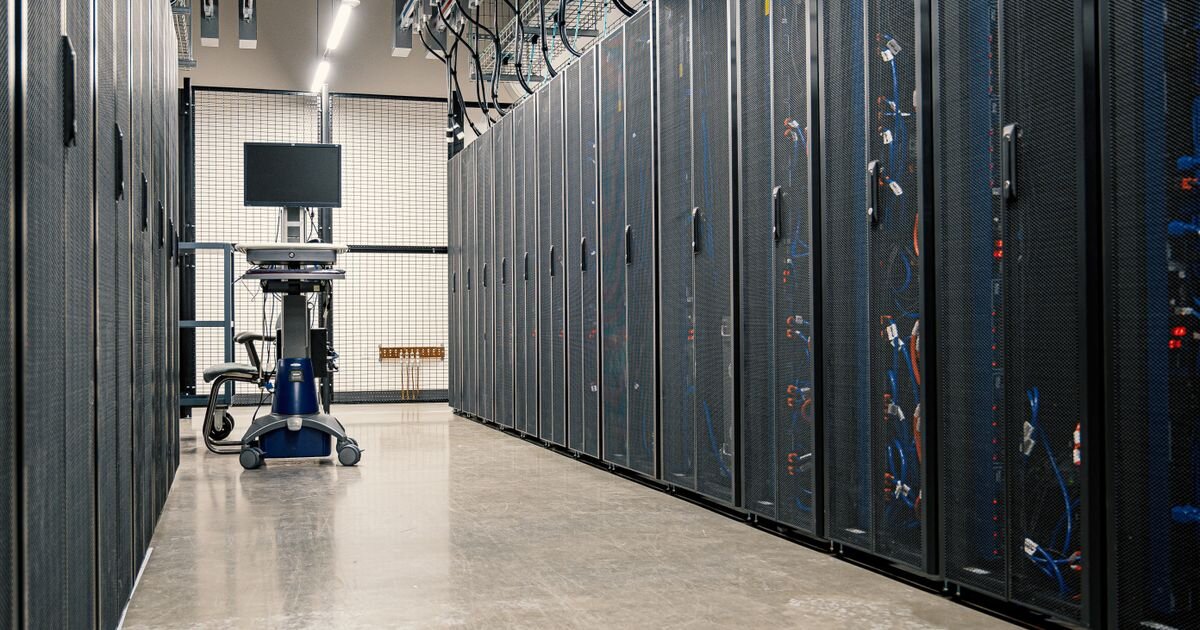
NVIDIA closed its fiscal 2026 books with $215.9 billion in full-year revenue, up 65% from the year before, per the fourth-quarter results it filed on SEC EDGAR in February. That one line explains most of the current appetite for thematic investing examples. A theme worked, in public, at enormous scale, and now everyone wants to know what a real one looks like.
So here are two examples with numbers you can check yourself: AI infrastructure and e-commerce. One is loud and recent. The other took a quarter century, and I think it teaches the more useful lesson.
What actually counts as a theme
A theme is a claim about how the world is changing, specific enough to check. "Technology is important" is not a theme. "Companies are rebuilding their computing around AI chips, and a handful of suppliers collect most of that spending" is a theme. So is "retail keeps moving from stores to the internet."
Sector investing says own technology. Thematic investing says own the specific change, wherever it sits. The claim comes first and the tickers follow from it.
That ordering matters because it tells you what evidence to watch. If the claim is about data-center spending, you check data-center revenue in filings. If the claim is about shopping habits, you check the retail sales data the government publishes every quarter. The stock chart is the last thing you look at, not the first.
Turn this theme into an actual portfolio
MarketPlays builds diversified theme portfolios from a broad ETF base plus the live holdings of investors in that theme.
Start Building Your PortfolioExample 1: AI infrastructure, the loud one
The cleanest recent example of a theme showing up in actual filings is the AI buildout, and NVIDIA (NVDA) is where it shows up first.
All three figures from NVIDIA's Q4 FY2026 results, filed on SEC EDGAR.
The company's fourth-quarter press release, filed on SEC EDGAR, reports record full-year revenue of $215.9 billion, up 65%. Data-center revenue alone was $193.7 billion for the year, up 68%. The fourth quarter's data-center figure was $62.3 billion, up 22% from Q3 and 75% from a year earlier.
Notice what those numbers are not. They are not a sentiment reading, a chart pattern, or an analyst's price target. They are revenue, reported in a securities filing. When people say a theme is "real," this is what real is supposed to mean: the money shows up in the income statements of exactly the companies the theme says it should.
Now the uncomfortable part. Most of the public proof for the AI theme lives in a small number of income statements, and a lot of it lives in this one. When that happens, a theme bet and a single-stock bet start to look like the same trade. Buying "the AI theme" through one supplier is concentration risk wearing a theme costume.
Whether the buildout keeps growing at anything near that pace is the open question, and the filing does not answer it. Nobody's filing does. If you want to watch the argument play out, the NVDA symbol page on MarketPlays collects the news, sentiment, and community research in one place.
Example 2: e-commerce, the slow one
In the fourth quarter of 1999, online sales were 0.6% of US retail. As of the first quarter of 2026 they are 16.9%, per the FRED series ECOMPCTSA.
That is the whole theme in two numbers. Retail moved online, slowly, for a little over twenty-six years, through two crashes, a pandemic, and every flavor of market mood. Anyone who claimed in 1999 that shopping was headed to the internet turned out to be right, and kept being right for a quarter century.
And yet plenty of the people who bet on that exact idea in 1999 lost most of their money.
Being right about online retail in 1999 did not protect anyone who owned the dot-com storefronts that failed before the growth arrived. The e-commerce share kept climbing for another quarter century, but only shareholders of companies that survived the 2000 to 2002 shakeout were around to benefit from it.
Here is an illustrative example, not a recommendation or a real portfolio. Picture an investor in early 2000 who was completely right about online retail and expressed the view through the flashiest dot-com storefronts of that era. The claim kept getting confirmed, quarter after quarter, in the same government data series. Many of the tickers did not live to see it, and their shareholders got nothing when the growth they had correctly predicted finally arrived.
The slow theme is more forgiving in one way: it hands you decades of chances to get on board. It is less forgiving in another: it demands you sit through long stretches where nothing seems to happen. Most people can't. That, more than idea generation, is where investing in themes actually gets hard.
A good theme is not the same as a good trade
Set the two examples side by side and the differences do most of the teaching.
| Question | AI infrastructure | E-commerce |
|---|---|---|
| Where the proof lives | Company filings ($193.7B in NVIDIA data-center revenue, FY2026) | An economy-wide statistic (16.9% of US retail, Q1 2026) |
| Speed | Full-year revenue up 65% in one year | 0.6% to 16.9% of retail over about 26 years |
| Main risk | Concentration in a few names | Picking the wrong survivor |
| What patience buys | Unclear; the pace itself is the bet | Decades of entry points |
Before putting money behind any theme, three questions are worth answering in writing:
- What specific, checkable number proves this theme is happening, and where is it published?
- If the theme is right, which companies actually collect the money, and how many of them exist?
- What would make me admit the theme broke, other than the stock going down?
If the answers are fuzzy, the idea is not ready to be a position yet. As for sizing, there is no cited standard and this article does not invent one; the honest framing is that a theme is usually a small overlay on a diversified base, held at a size you could watch fall out of favor without flinching.
Browse the AI tag on MarketPlays to see which symbols other investors group together. Checking someone else's grouping against your own list is a fast way to find the names your version of the theme forgot.
Key takeaways
- A theme is a checkable claim about change. If you can't name the number that would prove or break it, it's a mood.
- The AI theme is visible in filings: NVIDIA reported $215.9 billion in fiscal 2026 revenue, $193.7 billion of it from data centers (SEC EDGAR, February 2026).
- E-commerce went from 0.6% of US retail in late 1999 to 16.9% in early 2026 (FRED series ECOMPCTSA). Slow themes offer more entry points and demand more patience.
- Being right about a theme and getting paid for it are separate problems. Survivorship and concentration sit between them.
Open a MarketPlays account and set up your own hub portfolio in under two minutes. If you'd rather look around first, the explore page shows trending stocks, big movers, and the full tag index.
Whichever theme you pick, expect stretches where it looks dead. E-commerce spent years of its twenty-six year climb out of favor, so size the position at a level you can hold through those years.
FAQ
What is thematic investing in plain terms?
It is picking investments based on a specific claim about how the world is changing, like the shift of computing toward AI hardware or of retail toward the internet, rather than by sector label or index membership. The claim comes first; the tickers follow from it.
How is a theme different from a sector?
A sector is a filing category; a theme is a change that can cut across several sectors. The e-commerce shift touched retailers, logistics firms, and payment companies at once. A sector fund would have sliced that story into pieces.
How much of a portfolio do themes usually take up?
There is no cited standard, and this article does not offer one. The honest framing is qualitative: for most investors a theme is a tilt on top of a diversified base, not a replacement for it, and the sizing depends on how much of the downside you can sit through without selling.
This article is for educational and informational purposes only. It is not investment, tax, legal, or financial advice, and is not a recommendation to buy, sell, or hold any security. MarketPlays is not a registered investment adviser or broker-dealer. All investing carries risk, including the possible loss of principal; past performance does not guarantee future results. Figures, prices, and filings cited were accurate as of the publication date and may have changed since. You are solely responsible for your investment decisions. consider consulting a licensed financial professional before acting on anything you read here.
Last updated: 2026-07-03.
Turn this theme into an actual portfolio
MarketPlays builds diversified theme portfolios from a broad ETF base plus the live holdings of investors in that theme. Pick your themes, set your blend, and trade through your own broker.
Start Building Your Portfolio Browse portfolios without signing up →
Leave a comment