
Green Energy Investing: What the 2026 Filings Actually Show
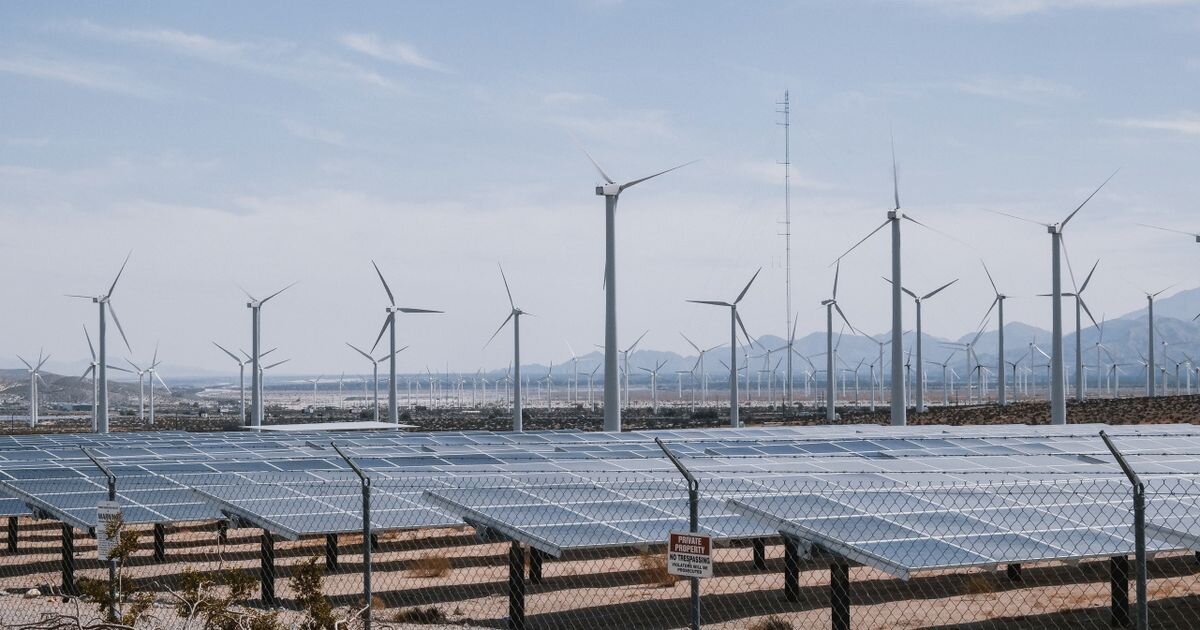
NextEra Energy (NEE) filed its first-quarter results on April 23, 2026, and one line stood out: 4 gigawatts of new renewables and storage projects added to its backlog in a single quarter, a company record. If you want to understand green energy investing, a filing like that is a better starting point than a documentary or a headline. Filings show where money is actually being committed. This post walks through the current numbers, the main ways investors own the theme, and the ways it tends to go wrong.
What NextEra's Q1 2026 filing shows
Start with the raw material. In its Q1 2026 earnings release, NextEra described "a record quarter for new renewables and storage origination, adding 4 GW to its backlog, including another strong quarter of battery storage origination at 1.3 GW." The contracted backlog sits at roughly 33 gigawatts as of that April report.
The same release covers Florida Power & Light, NextEra's regulated utility. FPL placed about 600 megawatts of new solar into service during the quarter, which puts its owned and operated solar portfolio above 8.5 gigawatts.
Here's one way to make those figures concrete. FPL's entire operating solar fleet, built up over years of steady construction, is a bit over 8.5 GW. The contracted backlog at the development arm is roughly four times that.
You can dig into the company itself on the NEE symbol page on MarketPlays, but the takeaway is wider than one stock: utility-scale renewable construction in the US is running at a pace where a single developer signs 4 GW of new projects in one quarter.
Two ways to own the theme
Exposure to green energy comes in two broad flavors, and they behave very differently.
The first is the utility route: regulated companies like NextEra that build solar, wind, and batteries inside a rate-regulated business. Revenue comes from utility customers and long-term contracts, so the stock tends to trade on interest rates and allowed returns as much as on enthusiasm for the theme. If you own a total-market index fund, you already hold these companies at market weight.
The second is the pure-play route: thematic funds and single-technology companies. Think panel makers, inverter companies, hydrogen startups. These are concentrated bets. When sentiment runs hot they can move fast in both directions, and plenty of the smaller names fund their growth with debt or new share issuance because the profits aren't there yet.
- Regulated revenue and long-term contracts
- Already inside broad index funds at market weight
- Trades on interest rates and allowed returns
- Concentrated in a handful of technologies
- Wide gap between eventual winners and losers
- Sensitive to subsidy and policy changes
The jobs data as a slow signal
Stock prices swing with sentiment. Labor projections move slower, and that makes them useful. The Bureau of Labor Statistics expects employment of wind turbine service technicians to increase 49.9 percent by 2034.
Here's why an investor might care. Turbines that are already standing need maintenance for decades, whatever the market thinks of the sector in a given year. Service demand follows the installed base, so a slow year for new construction doesn't erase it. A projection is still a projection, and BLS revises these regularly, but it's one of the few data points on this theme that doesn't come from a company's own press materials.
What can go wrong
The risk list is longer than the pitch-deck version. Three items matter most in practice.
Interest rates. Renewable projects are capital intensive and usually financed with debt. When borrowing costs rise, the economics of a project signed years earlier get squeezed, and developers sometimes renegotiate or walk away.
Policy. Tax credits and subsidies shape which projects get built. A project underwritten under one set of rules can look very different after a government changes the rules, and governments change the rules often. This hits pure-play names harder than regulated utilities, whose returns are set through a separate rate process.
Hype cycles. Thematic funds tend to gather assets after strong runs and shrink after weak ones, which means much of the money in a theme arrives near a peak. Checking how long a fund has existed, and what its asset base did over that stretch, is a cheap sanity check before buying.
NextEra's roughly 33 GW backlog represents signed contracts for future projects. It's contracted work, and it's still ahead of the revenue. Projects can be delayed, repriced, or canceled if financing or permitting changes, so treat backlog growth as a directional signal and watch how much of it converts in later filings.
How investors tend to size it
There's no sourced magic percentage for a theme like this, and be suspicious of anyone offering one. The honest framing is qualitative: investors considering green energy often treat it as a small slice layered on top of a broad, diversified core. A fraction of the portfolio.
An illustrative example. Say an investor holds a total-market index fund. That fund already owns NextEra, the rest of the utility sector, and the industrial companies supplying the build-out, all at market weight. Adding a dedicated clean-energy fund on top of that is a deliberate overweight. The question stops being "should I own this at all" (through the index fund, they already do) and becomes "how much extra do I want, and why."
If you want to see how other investors group the theme, MarketPlays organizes stocks under sector and theme tags. Start at the tag index or the Explore page for trending names and recent movers. Open a MarketPlays account and set up your own hub portfolio in under two minutes.
Key takeaways
- NextEra's development arm added 4 GW of renewables and storage to its backlog in Q1 2026, including 1.3 GW of battery storage, and the contracted backlog stands near 33 GW (Q1 2026 earnings release).
- FPL placed about 600 MW of new solar into service in the quarter, putting its owned solar portfolio above 8.5 GW (same release).
- BLS projects employment of wind turbine service technicians to increase 49.9 percent by 2034, a figure tied to the installed base of turbines already in service.
- A broad index fund already includes the utilities building this capacity; a thematic fund is an overweight decision, and worth sizing like one.
- Backlog is contracted future work: projects can be delayed or canceled, so check conversion in later filings before treating the pipeline number as revenue.
FAQ
Is green energy investing the same as ESG investing?
No. ESG is a scoring approach applied across every sector, weighing environmental, social, and governance factors. Green energy is a sector theme: companies that generate, store, or service renewable power. A fund can hold clean-energy names and still score poorly on ESG metrics, and the reverse happens too.
Do I already own green energy through an index fund?
Mostly yes. A total-market index fund holds regulated utilities like NextEra and the industrial suppliers of the build-out at market weight. A dedicated thematic fund adds concentration on top of that, so it works more like an overweight than a first exposure.
What does a renewables backlog mean?
A backlog is the set of projects a developer has signed contracts to build but hasn't finished yet. NextEra reported a contracted backlog of roughly 33 GW in its Q1 2026 release. Backlog signals future construction, but projects can be delayed, repriced, or canceled before they ever produce revenue.
Turn this theme into an actual portfolio
MarketPlays builds diversified theme portfolios from a broad ETF base plus the live holdings of investors in that theme. Pick your themes, set your blend, and trade through your own broker.
Start Building Your Portfolio Browse portfolios without signing up →
Leave a comment