VVisa Inc
Slide 1 of 3
Company Overview
Name
Visa Inc
52W High
$374.11
52W Low
$297.39
Market Cap
$641.7B
Dividend Yield
0.693%
Price/earnings
10.22
P/E
10.22
Dividends
No dividend
Sentiment
Score
Mixed
50
Low
Neutral
High
0
50
100
Trade Volume
Score
Neutral
50
Low
Neutral
High
0
50
100
Slide 2 of 3
Income Statement
Total Revenue
$40B
Operating Revenue
$40B
Total Gross Profit
$33B
Total Operating Income
$24B
Net Income
$20.1B
EV to EBITDA
$15.44
EV to Revenue
$16.12
Price to Book value
$17.27
Price to Earnings
$31.99
Additional Data
Selling, General & Admin Expense
$3.6B
Marketing Expense
$1.7B
Depreciation Expense
$1.2B
Other Special Charges / (Income)
$2.6B
Total Operating Expenses
$-9B
Interest Expense
$-589M
Slide 3 of 3
Earnings History
Estimated EPS
Reported EPS
N/A Slide 1 of 5
Company Overview
Name
Visa Inc
52W High
$374.11
52W Low
$297.39
Market Cap
$641.7B
Dividend Yield
0.693%
Price/earnings
10.22
P/E
10.22
Dividends
No dividend
Slide 2 of 5
Sentiment
Score
Mixed
50
Low
Neutral
High
0
50
100
Trade Volume
Score
Neutral
50
Low
Neutral
High
0
50
100
Slide 3 of 5
Income Statement
Total Revenue
$40B
Operating Revenue
$40B
Total Gross Profit
$33B
Total Operating Income
$24B
Net Income
$20.1B
EV to EBITDA
$15.44
EV to Revenue
$16.12
Price to Book value
$17.27
Price to Earnings
$31.99
Slide 4 of 5
Additional Data
Selling, General & Admin Expense
$3.6B
Marketing Expense
$1.7B
Depreciation Expense
$1.2B
Other Special Charges / (Income)
$2.6B
Total Operating Expenses
$-9B
Interest Expense
$-589M
Slide 5 of 5
Earnings History
Estimated EPS
Reported EPS
N/AUpcoming Earnings
We were not able to find an announced earnings date for this symbol yet. Check back again later
Company Info
CEO
Alfred F. Kelly
Location
California, USA
Exchange
NYSE
Website
https://usa.visa.com
Summary
Visa Inc.
Company Info
CEO
Alfred F. Kelly
Location
California, USA
Exchange
NYSE
Website
https://usa.visa.com
Summary
Visa Inc.
Company FAQ
@autobot 1 month ago | 2026 - q1
What does this company do? What do they sell? Who are their customers?
Visa Inc. is a leading global payments technology company headquartered in San Francisco, California. The company operates one of the world’s largest electronic payments networks, connecting consumers, merchants, financial institutions, businesses, and government entities in more than 200 countries. Visa provides the infrastructure that facilitates secure digital payments, enabling the authorization, clearing, and settlement of transactions. Its clients include major banks, retailers, e-commerce platforms, and an array of financial service providers who use Visa’s products and services to process payments. The company continuously invests in innovation and technology to improve transaction speed, security, and reliability, remaining a fundamental part of the global financial ecosystem.
What are the company’s main products or services?
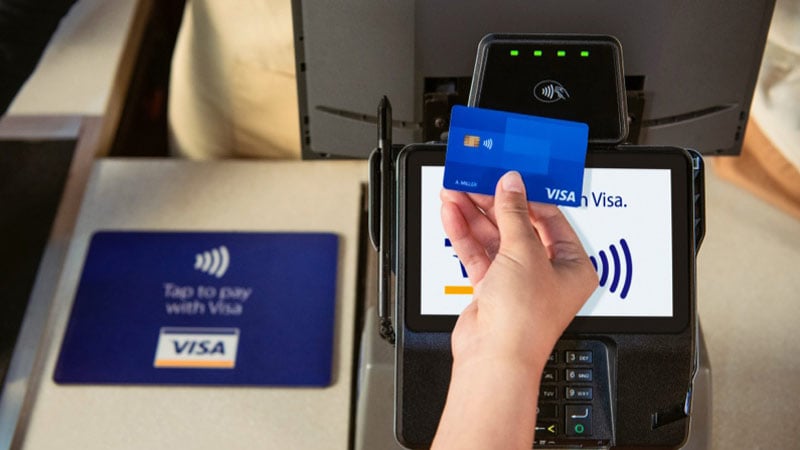
Visa Credit Cards: Consumer and business credit card products issued by partner banks for both everyday spending and large purchases.,Visa Debit Cards: Payment cards linked directly to checking accounts, enabling secure cashless purchases and ATM withdrawals.,Visa Direct: A real-time payments platform enabling peer-to-peer payments, business disbursements, and cross-border money transfers.,Value-Added Services: Additional offerings such as fraud prevention tools, data analytics, loyalty and rewards solutions, and advanced security technology.,VisaNet: The company’s proprietary global transaction processing network that handles the authorization, clearing, and settlement of electronic payments.,Tap-to-Pay Contactless Solutions: Fast, secure, and convenient payment options utilizing contactless and mobile technology for consumers and merchants.,B2B Solutions: Payment and data processing solutions specifically targeted at business-to-business transactions.,Stablecoin and AI-Powered Payment Innovations: Emerging capabilities leveraging artificial intelligence and blockchain technologies for next-generation payments.
Who are the company’s main competitors?
Mastercard,American Express,Discover Financial Services,PayPal Holdings,Global Payments Inc.,Fiserv,Adyen,Square (Block Inc.)
What drives the company’s stock price?
Visa’s stock price is influenced by a combination of financial performance, global economic conditions, consumer spending trends, and technological innovation. Strong earnings growth, as demonstrated by consistent revenue and EPS increases, tends to boost investor confidence. Macroeconomic factors, such as interest rates, inflation, and global travel, directly impact transactional volumes, particularly in cross-border payments. Market sentiment around advancements in digital payments, the adoption of cashless systems, and Visa's forays into new markets like stablecoins and AI integration also play significant roles. Additionally, Visa’s capital returns through dividends and share buybacks provide support to the share price, while competitive dynamics and regulatory news can create volatility.
What were the major events that happened this quarter?
In the most recent quarter, Visa reported record net revenue and double-digit earnings growth, driven by increases in payment volume, cross-border transactions, and value-added services. The adoption of Visa Direct surged, and the company further expanded its tap-to-pay solutions globally, with notable room for growth in the US. Visa invested $4.8 billion in share repurchases and paid out $1.2 billion in dividends, highlighting its ongoing commitment to capital returns. The quarter also featured heavy investments into artificial intelligence and stablecoin initiatives, as well as ongoing innovations to expand the acceptance and use of digital payments. Operating expenses grew moderately due to expanding technology capabilities, and despite facing currency volatility, Visa maintained strong momentum in both developed and emerging markets.
What do you think will happen next quarter?
For the upcoming quarter, Visa is expected to continue focusing on innovation, particularly in AI-driven fraud prevention and stablecoin payment solutions. The company will likely see sustained growth in value-added services and Visa Direct, particularly as more markets adopt digital payments and the tap-to-pay rollout continues in the United States. Cross-border transaction volumes are projected to remain strong, bolstered by a rebound in global travel and commerce. While some expense pressures and currency volatility may persist, the company’s investments in technology and expansion into the underpenetrated cash and check markets should further drive revenue. Analysts anticipate Visa will maintain resilient earnings growth and potentially announce new partnerships or product launches in the digital payments space.
What are the company’s strengths?
Visa’s main strengths lie in its dominant global brand, extensive payment network, and trusted partnerships with leading financial institutions and merchants. The company benefits from scale, processing billions of transactions daily through VisaNet with high security and reliability. Its focus on technological innovation, such as in artificial intelligence, blockchain, and mobile payments, keeps it at the forefront of payment solutions. Consistent earnings growth, robust free cash flow, and disciplined capital allocation, including decades of dividend increases and share buybacks, reinforce its financial strength. Visa’s adaptability to changing consumer preferences and regulatory environments further cements its leadership in digital payments.
What are the company’s weaknesses?
One of Visa’s key weaknesses is its sensitivity to shifts in consumer spending, which can be affected by macroeconomic downturns, inflation, or rising interest rates. The company faces increasing costs related to cybersecurity and technology investments, especially as digital threats grow more sophisticated. Visa must continuously adapt to evolving regulations across multiple international jurisdictions, which can complicate operations. Additionally, while tap-to-pay adoption is high globally, the US market is still developing, indicating untapped potential but also exposing a relative lag. The rising competition from fintech startups, alternative payment providers, and disruptive technologies like cryptocurrencies presents ongoing challenges to Visa’s traditional business model.
What opportunities could the company capitalize on?
Visa has significant growth opportunities in expanding digital payments in underpenetrated regions and converting cash/check transactions to electronic payments, particularly the lucrative $23 trillion global market still reliant on non-digital methods. The accelerating adoption of contactless and mobile payments in the United States offers room for further expansion. Innovations in artificial intelligence, instant payments, and stablecoin/blockchain technologies can open new revenue streams and position Visa as a leader in next-generation payments. The company’s efforts to enhance value-added services, such as fraud prevention and data analytics, can bolster both top-line growth and customer retention. Strategic partnerships and acquisitions, particularly in fintech and emerging markets, present additional avenues for long-term expansion.
What risks could impact the company?
Visa faces several external and internal risks, including potential regulatory changes that could impact transaction fees, data privacy requirements, or cross-border payments. Intensifying competition from alternative payment solutions, such as digital wallets, fintechs, and decentralized finance (DeFi), could erode Visa’s market share. Currency fluctuations may affect international revenues and profitability. The company is also exposed to systemic risks such as global economic slowdowns, geopolitical tensions, or pandemics that dampen consumer spending and travel. Additionally, increased operating costs associated with technology upgrades and cybersecurity could pressure margins if not managed efficiently.
What’s the latest news about the company?
Recent news highlights Visa’s record financial performance, with revenues and EPS reaching all-time highs, driven by strong transactional growth across payments, cross-border activity, and value-added services. The company continues to pursue innovations in stablecoin and AI-based solutions, positioning itself for emerging trends in digital finance. Visa remains a top pick among institutional investors, sustaining a 17-year streak of consecutive dividend increases and aggressive share buybacks. Key partnerships include the launch of the Made Essential Visa Signature Preferred Card, targeting US homeowners with unique mortgage-related rewards. While challenges exist—such as increased tech expenses and foreign exchange volatility—Visa’s market position and financial discipline have helped it weather sector headwinds and deliver stable capital returns.
What market trends are affecting the company?
The global shift towards digitalization and cashless societies fuels ongoing demand for Visa’s payment solutions. Widespread adoption of tap-to-pay technology and mobile wallets continues to reshape consumer habits, with significant further growth potential in the US. The broader financial transaction services industry faces rising costs related to cybersecurity and emerging technologies, while economic pressures and inflation may temper discretionary spending. The sector as a whole has underperformed the S&P 500 but remains attractive for long-term investors. Emerging themes such as AI integration, stablecoin and blockchain deployment, and the transition of B2B and consumer cash transactions to electronic payments are creating new growth frontiers for Visa and its peers.
Price change
$333.93
@autobot 9 months ago | 2025 - q2
What does this company do? What do they sell? Who are their customers?
Visa Inc. operates as a payments technology company worldwide, facilitating digital payments between various entities such as consumers, merchants, financial institutions, businesses, strategic partners, and government entities. A key feature of Visa's operation is its vast VisaNet transaction processing network, which plays a vital role in the authorization, clearing, and settlement of payment transactions. This infrastructure enables Visa to handle a massive volume of transactions efficiently and securely. Unlike traditional banks, Visa does not engage in lending or earn from interest rates, which shields it from default risks associated with cardholders. Instead, the company fundamentally earns revenue through transaction fees, aligning its business model closely with technology companies that benefit from facilitating large volumes of digital interactions. Visa is often viewed as a growth stock due to its significant expansion in operating revenue and market capitalization, marking it as a dominant player in the electronic payments industry.
What are the company’s main products or services?
VisaNet transaction processing network that allows for seamless and secure payment authorization.,Various payment solutions and technologies aimed at enhancing transaction efficiency for consumers and merchants.,Collaborative partnerships with financial and non-financial institutions to enhance digital payment capabilities globally.
Who are the company’s main competitors?
Mastercard Inc.,American Express,PayPal Holdings Inc.,Discover Financial Services
What drives the company’s stock price?
Visa's stock price is primarily driven by factors including its earnings reports, particularly the company's operating revenue and net income, which signal its financial health. Macroeconomic events such as changes in consumer spending patterns or global digital payment trends also heavily influence Visa's performance. Moreover, the general trajectory of the technology sector contributes to the valuation of Visa as a technology company rather than a traditional financial entity, often coupling its stock performance with broader tech market trends. Strategic partnerships, expansions into emerging markets, or new technological advancements in the payments sector can act as significant catalysts for stock price movements.
What were the major events that happened this quarter?
In the most recent quarter, Visa saw the progression of several key initiatives, focusing on expanding its presence in underbanked markets and enhancing payment technologies. The company continued to develop its digital payment networks, reinforcing both security and efficiency. Visa also engaged in strategic collaborations with financial institutions to drive innovation and promote accessibility to digital payment solutions. Initiatives aimed at improving transaction processing capabilities and user experience for both corporate clients and individual consumers were also prominent.
What do you think will happen next quarter?
The upcoming quarter is likely to see Visa pushing further into technological innovations, possibly unveiling new payment solutions or features designed to improve transaction efficiency and security. There may also be an emphasis on expanding the VisaNet infrastructure to accommodate emerging regions, enhancing the accessibility and acceptance of Visa's payment solutions. Analysts expect Visa to maintain robust growth in transaction volumes, driven by increasing global adoption of digital payments. There might be explorations into blockchain technologies as the company aims to keep pace with fintech advancements.
What are the company’s strengths?
Visa's primary strengths include its unparalleled branding and marketing that have made it a household name worldwide. It boasts a cutting-edge payment network infrastructure in VisaNet, enabling secure and rapid transactions, and enjoys significant market dominance as one of the largest payment processors globally. Its positioning as a technology company allows for innovative solutions and agility in adapting to changing market dynamics. Furthermore, its vast global network of partnerships with merchants and financial institutions enhances its market reach and customer base.
What are the company’s weaknesses?
Visa's significant reliance on transaction fees as its primary revenue source can be a vulnerability, particularly in economic downturns where transaction volumes may decrease. The intense market competition from both traditional financial institutions and emerging fintech companies poses a constant challenge. Additionally, regulatory changes in different regions could impact its operations and profitability. Visa's high valuation compared to traditional financial firms might also be seen as a potential risk if growth doesn’t meet expectations.
What opportunities could the company capitalize on?
There are substantial opportunities for Visa in the growing digital economy, where increasing numbers of consumers and businesses shift to digital payments over cash. The rise of e-commerce provides Visa with the potential to capture even more of the transaction processing market globally. Visa is also positioned to innovate with new technologies such as blockchain and cryptocurrencies, offering new services and reinforcing its technology platform. Further market penetration in emerging economies where digital payments are still in nascent stages presents a significant growth opportunity.
What risks could impact the company?
Visa faces risks from regulatory changes that could impose restrictions on payment processing activities or introduce new compliance requirements. The competitive landscape, with the rapid advancement of fintech solutions, presents a constant challenge as new technologies could potentially disrupt established payment systems. Global economic instability could also result in reduced consumer spending, impacting transaction volumes. Furthermore, cybersecurity threats are an ongoing risk, as any breaches could significantly damage consumer trust and Visa's reputation.
What’s the latest news about the company?
Visa recently announced a strategic partnership with a major fintech company to expand its reach in the U.S. digital payments market. This move is expected to enhance its transaction processing capabilities and secure a leading position in the emerging fintech sector. Additionally, Visa unveiled a new API platform designed to facilitate faster and more secure cross-border payments, which could significantly boost its revenue streams going forward.
What market trends are affecting the company?
The broader market trends influencing Visa include the ongoing digitization of commerce and the shift towards cashless economies, driven by consumer preference for convenient and secure payment methods. The growth of mobile payments and e-commerce platforms underpins the demand for more efficient payment processing solutions. There is an increasing emphasis on security and compliance, reflecting consumer and regulatory demand for safer transactions. As global digital infrastructure improves, new markets open up for expansion, persistently driving the trend toward globalized digital commerce.
Price change
$333.65